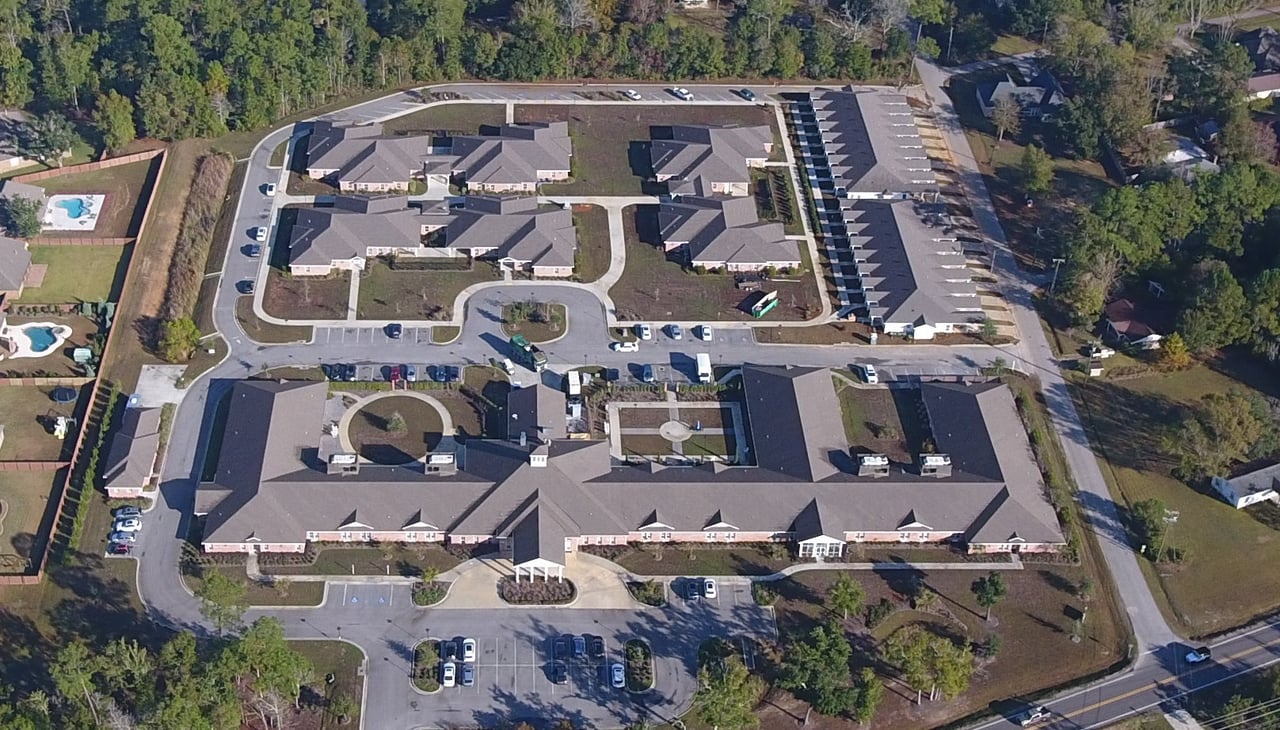
The seniors housing sector continued its torrid occupancy run in Q3 2025 driven by a rapidly expanding elderly population which is expected to see four million baby boomers hit 80 over the next five years. As a matter of fact, senior housing occupancy has grown 230 basis points when compared to Q4 2024 levels. However, this short-term bump is more impressive when you realize that the sector has actually seen 17 consecutive quarters of occupancy growth. While the growth is riding an unprecedented demand wave, the escalation in occupancy has also been heavily influenced by the lack of new supply which has bottomed out at levels not seen since 2012. In fact, the number of senior housing units currently under construction has decreased for 15 straight quarters. There are limited barriers to slow down the anticipated growth of demand for seniors housing, but what is the outlook for supply growth?
According to the recently released Special Brief: Seniors Housing Construction Costs (Fall 2025), which provides an overview / outlook for development costs for the seniors housing sector, while there are some reasons for optimism, there are still significant challenges which could continue to limit supply growth. Obviously, the cost to construct new seniors housing has exceeded the threshold required to provide adequate returns for investors over the past few years.
What are the expectations for the next 12 months? The ASHA report indicates the next year will likely bring a mix of cautious optimism with lingering, persistent challenges. While it is encouraging to hear that more companies are re-engaging and reevaluating the feasibility of their development project, it is anticipated that existing challenges will remain. Notably, labor shortages, rising material costs, capital costs, etc. Perhaps the most news is that 2026 could see sharp increase (4.7%) in construction inflation . . . which could continue to negatively impact potential for meaningful senior housing supply growth although supporting additional occupancy growth.
As was talked about in our recent seniors housing bull market post, if a group wants to grow its portfolio, it's become very difficult to develop its way into a sizeable increase to its portfolio. This leaves an owner or operator with acquisitions as its main source of growth.